
What Most Businesses Are Responsible For, and Why It Matters.
The Americans with Disabilities Act (ADA) affects far more businesses than many owners realize. It is not limited to large corporations, government buildings, or newly constructed properties. In reality, most businesses interact with ADA requirements every single day, often without knowing it until a complaint, inspection, or lawsuit brings the issue to the forefront.
This page is designed to give you a clear, practical overview of the types of places, situations, and features that are commonly covered under the ADA, why compliance matters, and how proactive risk management can protect your business.
What Types of Businesses Are Covered?
If your business is open to the public, you are almost certainly covered under the ADA. This includes, but is not limited to:
Retail stores and shopping centers
- Restaurants, cafés, bars, and food trucks
- Offices and professional services
- Medical, dental, and therapy clinics
- Gyms, salons, and personal service businesses
Hotels, motels, and short-term lodging - Warehouses with customer-facing areas
- Religious facilities that operate schools, events, or public programs
- Even businesses operating in older buildings, leased spaces, or mixed-use properties are still responsible for ADA compliance within their areas of control.
Physical Access: What Customers Encounter First
Many ADA issues arise before a customer ever reaches your front door. Common areas of concern include:
Exterior & Arrival Areas
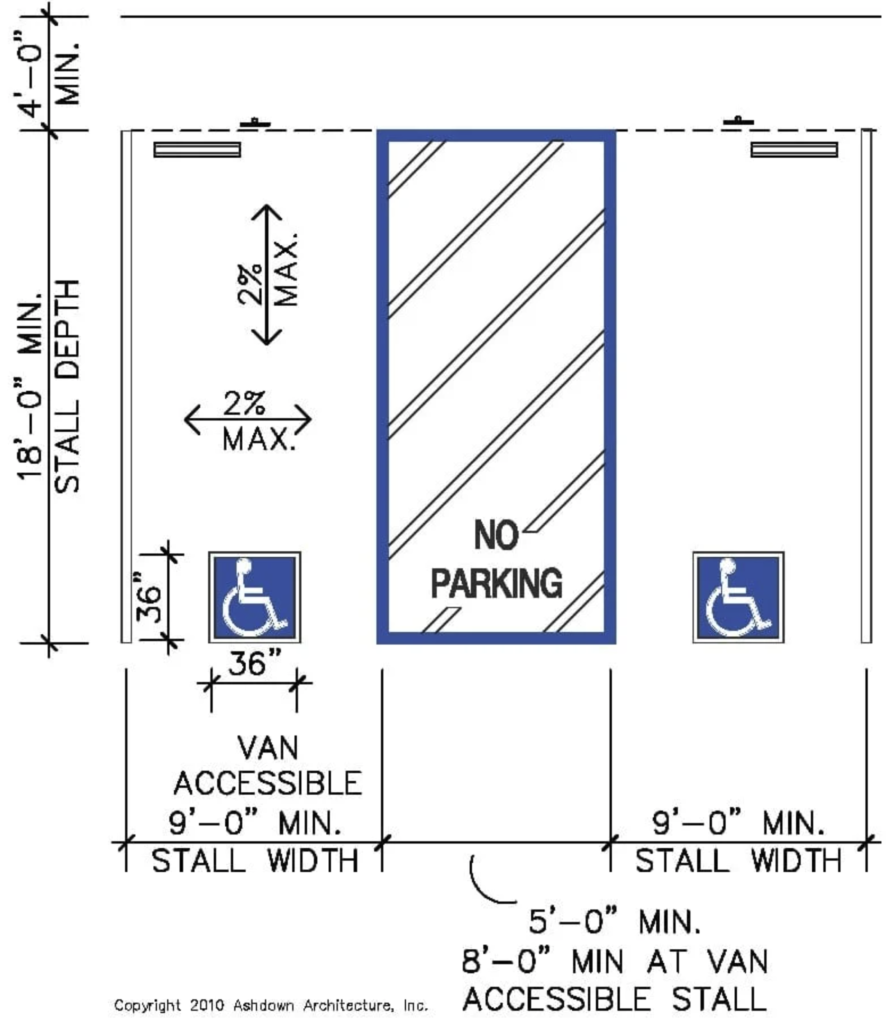
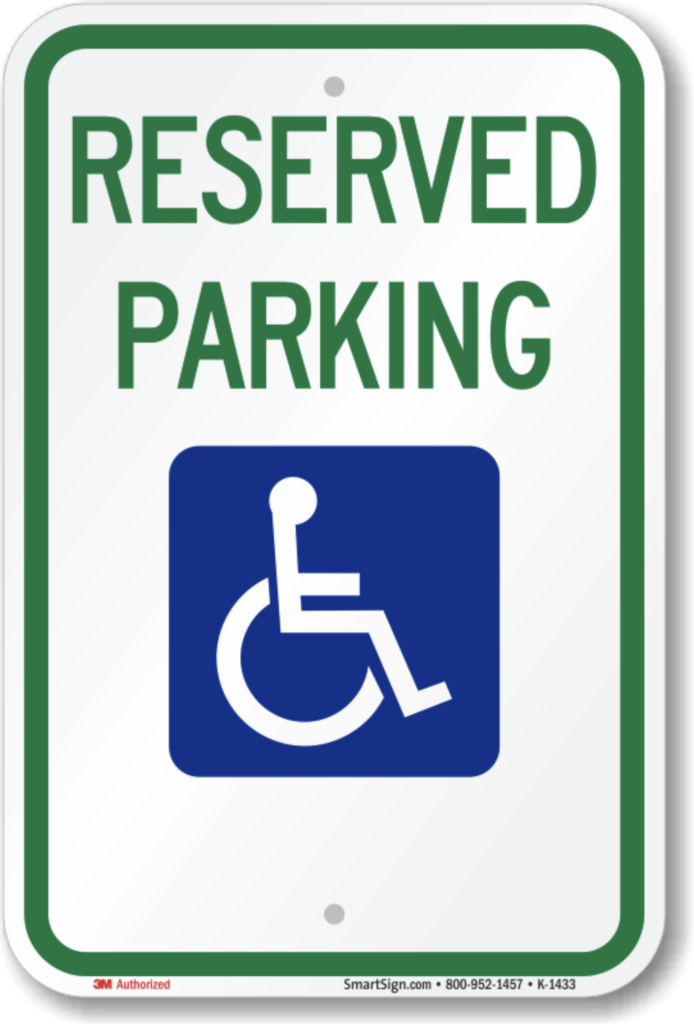
- Parking spaces, access aisles, and signage
- Curb ramps and paths of travel
- Surface conditions (slopes, cracks, transitions)
- Accessible routes from parking to entrances
Building Entrances
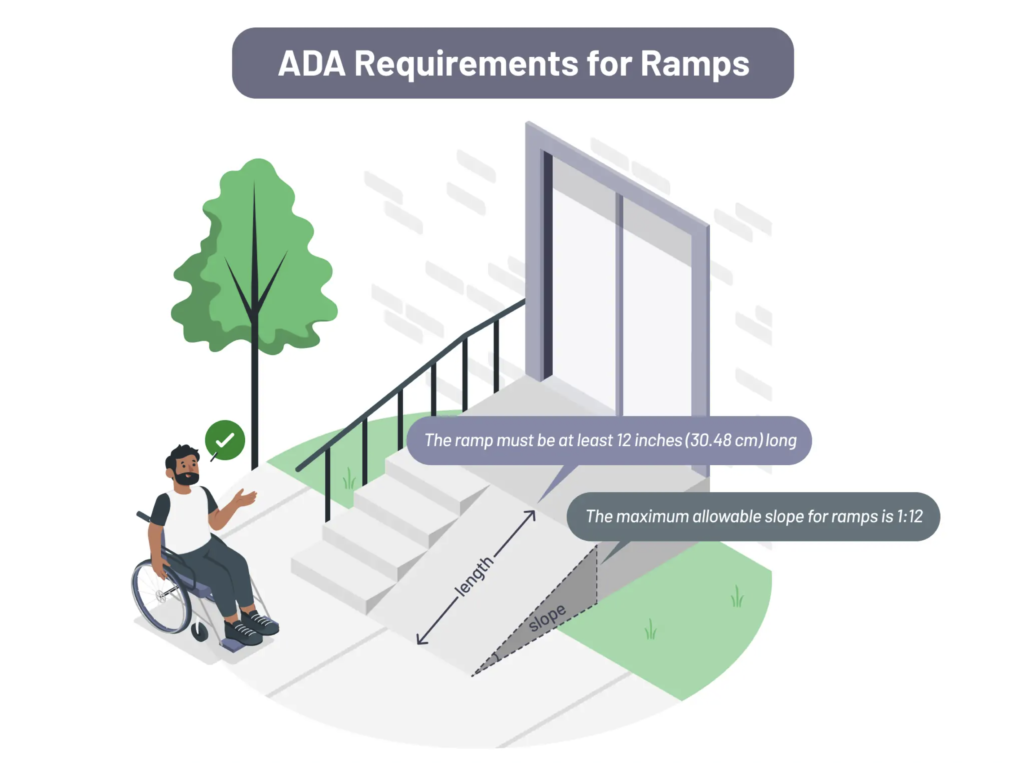
- Step-free access or compliant ramps
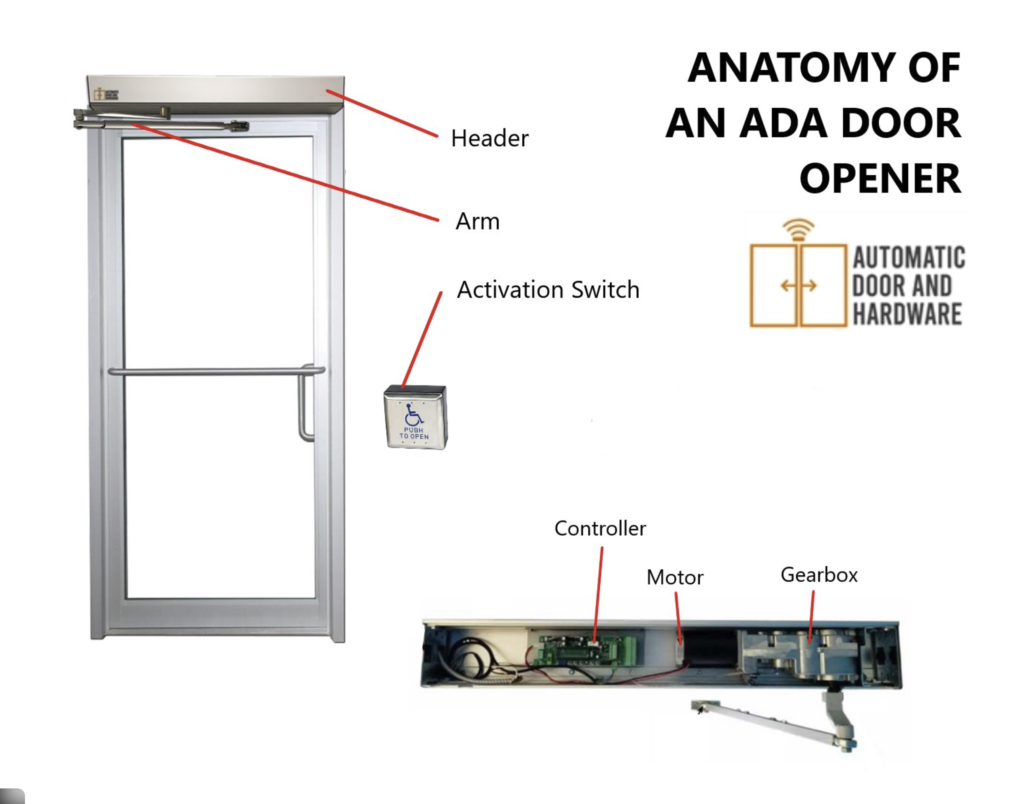
- Door widths, thresholds, and hardware
- Door opening force and maneuvering clearance
- If a person with a disability cannot arrive and enter safely and independently, your business is already at risk.
Interior Spaces Most Businesses Overlook
Once inside, ADA coverage extends throughout the customer-accessible portions of your facility:
Customer Areas
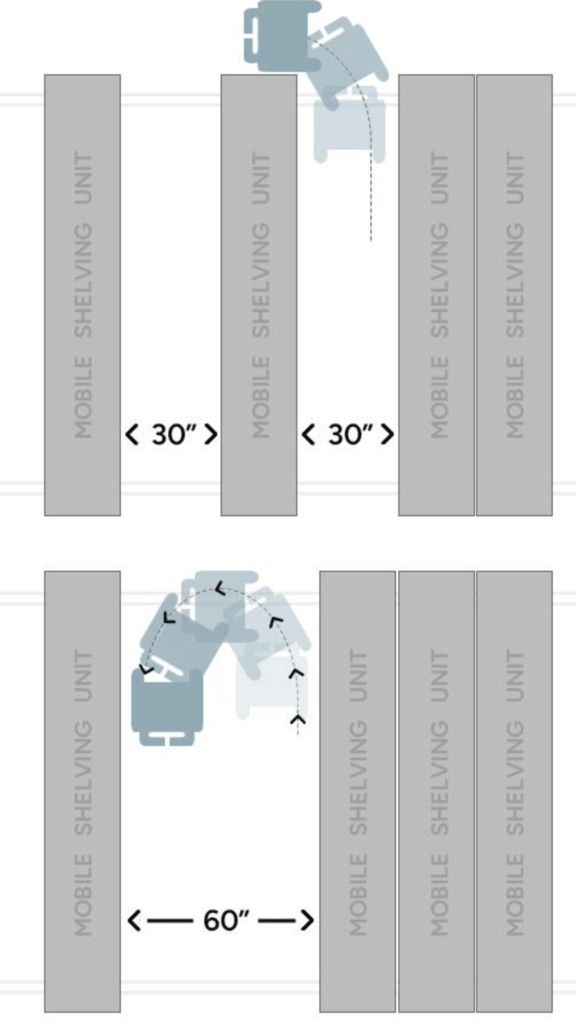
- Clear aisle widths and turning space
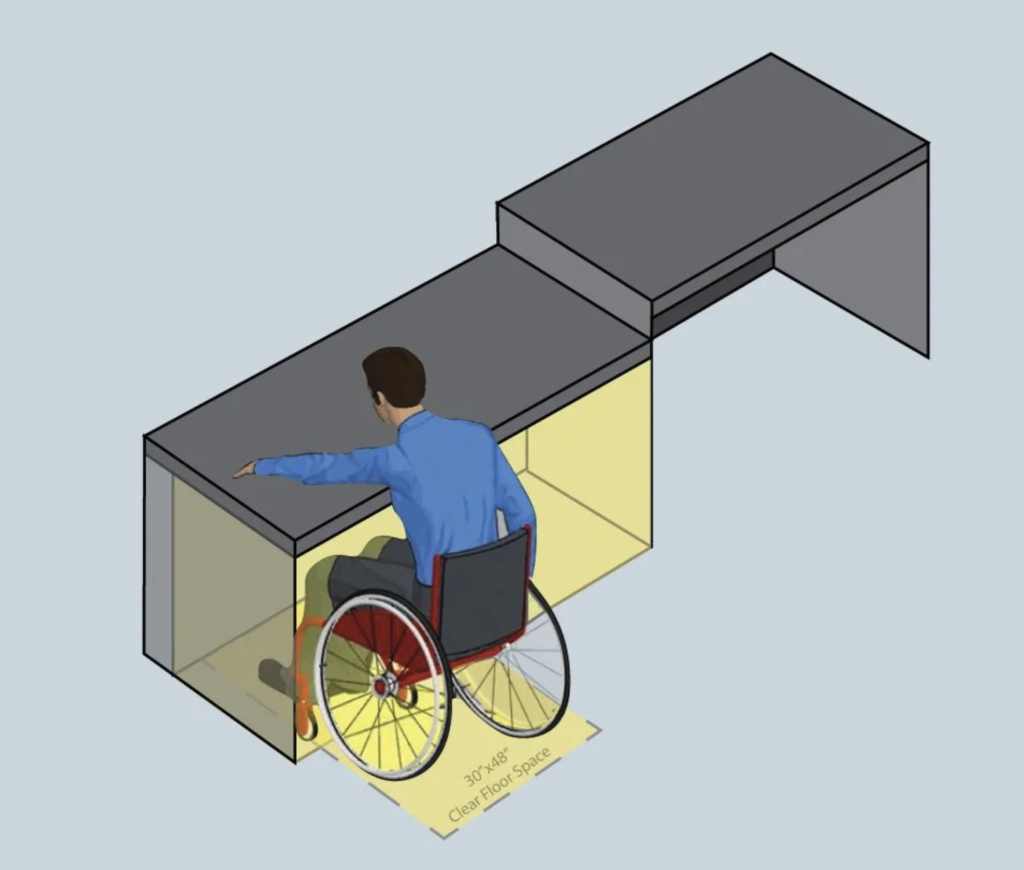
- Checkout counters and service desks
- Seating areas and waiting rooms
- Point-of-sale accessibility
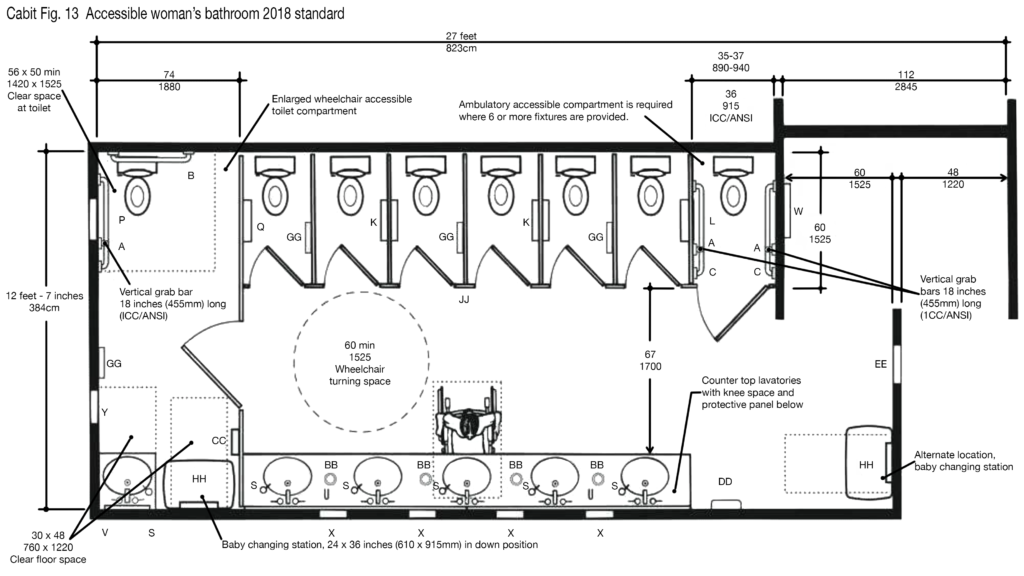
Restrooms
- Door clearance and swing
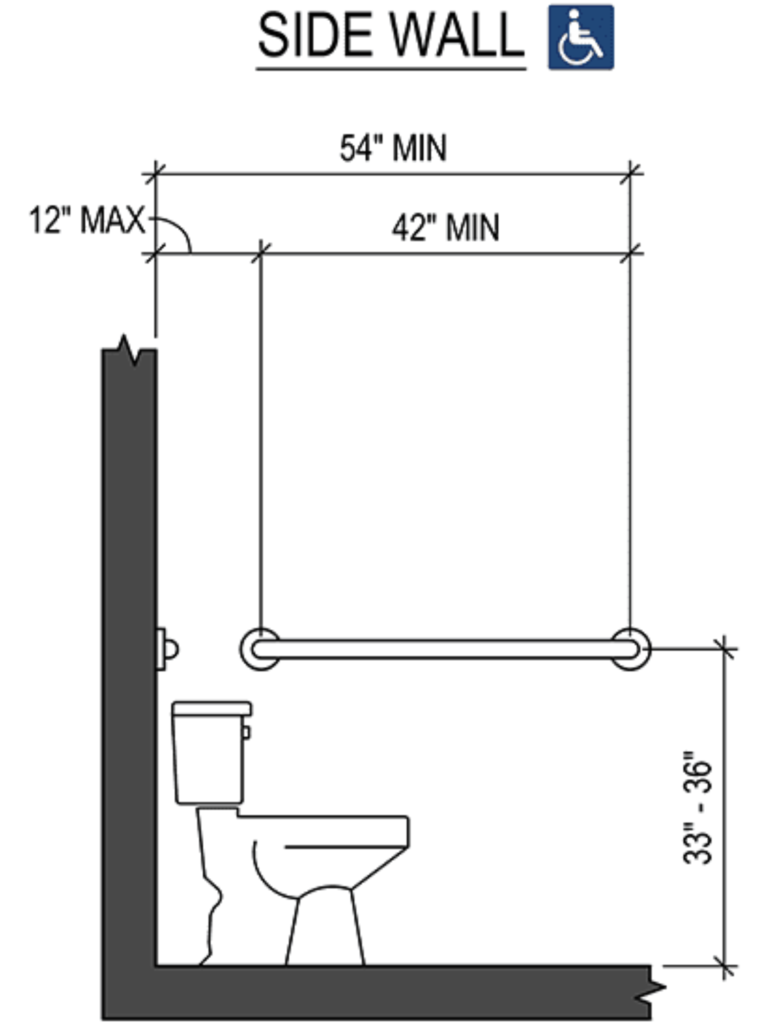
- Toilet height and grab bar placement
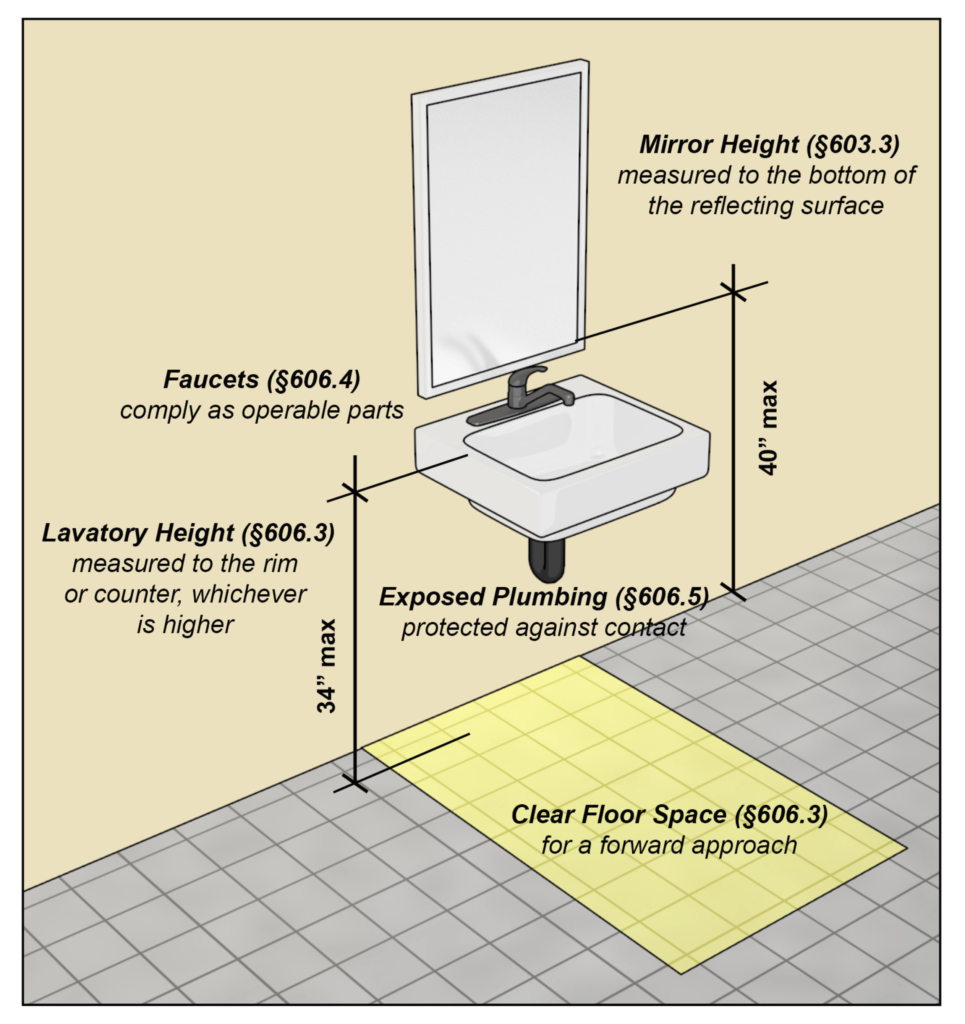
- Sink clearance and pipe protection
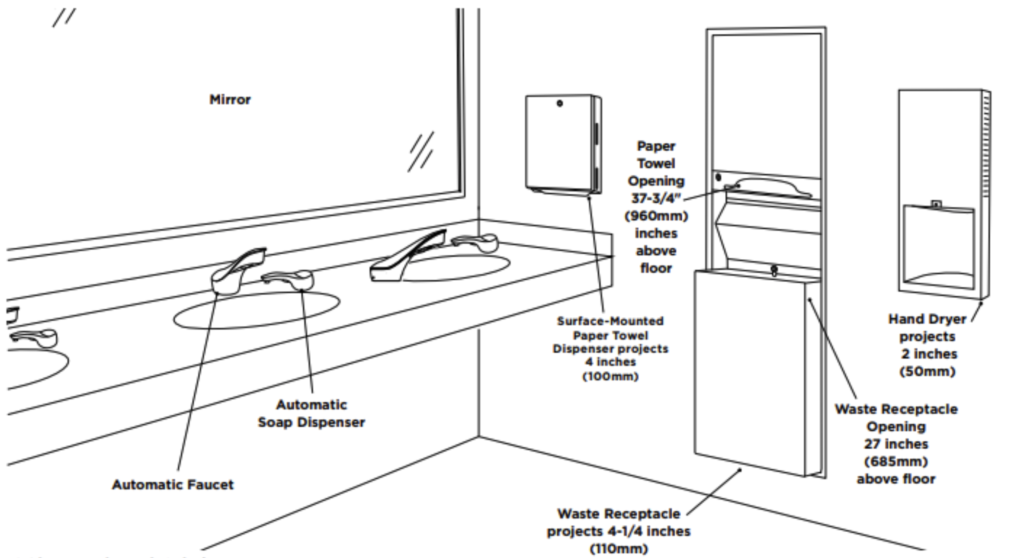
- Mirror, dispenser, and accessory heights
- Restrooms are one of the most common sources of ADA complaints and lawsuits, even in otherwise well-maintained businesses.
Communication & Operational Requirements
ADA compliance is not limited to construction and architecture. Businesses must also address how they communicate and operate:
- Policies that allow service animals
- Effective communication for customers with hearing or vision impairments
- Accessible online content and digital services
- Reasonable modifications to policies and procedures
- A physically accessible space can still be non-compliant if operational practices exclude or disadvantage customers with disabilities.
Why Compliance Is So Important
Many business owners assume that ADA issues are rare or unlikely to affect them. In reality:
ADA lawsuits and demand letters are increasing nationwide
- Businesses can face significant legal costs even if they “win”
- Claims often focus on small, correctable issues
- Ignorance of requirements does not protect against liability
- The cost of defending a claim often far exceeds the cost of identifying and correcting issues proactively.
Compliance Is About Risk Management, Not Just Rules
ADA compliance is not about perfection. The law recognizes concepts like reasonable accommodation and readily achievable improvements. What matters most is that a business can demonstrate:
- Awareness of ADA obligations
- Good-faith efforts to identify deficiencies
- A plan to correct or mitigate barriers
- Ongoing attention to accessibility as conditions change
- This is where professional ADA risk management becomes invaluable.
How We Help Businesses Protect Themselves
Our approach is practical, business-focused, and risk-aware. We help businesses:
Understand what applies to their specific property and operations
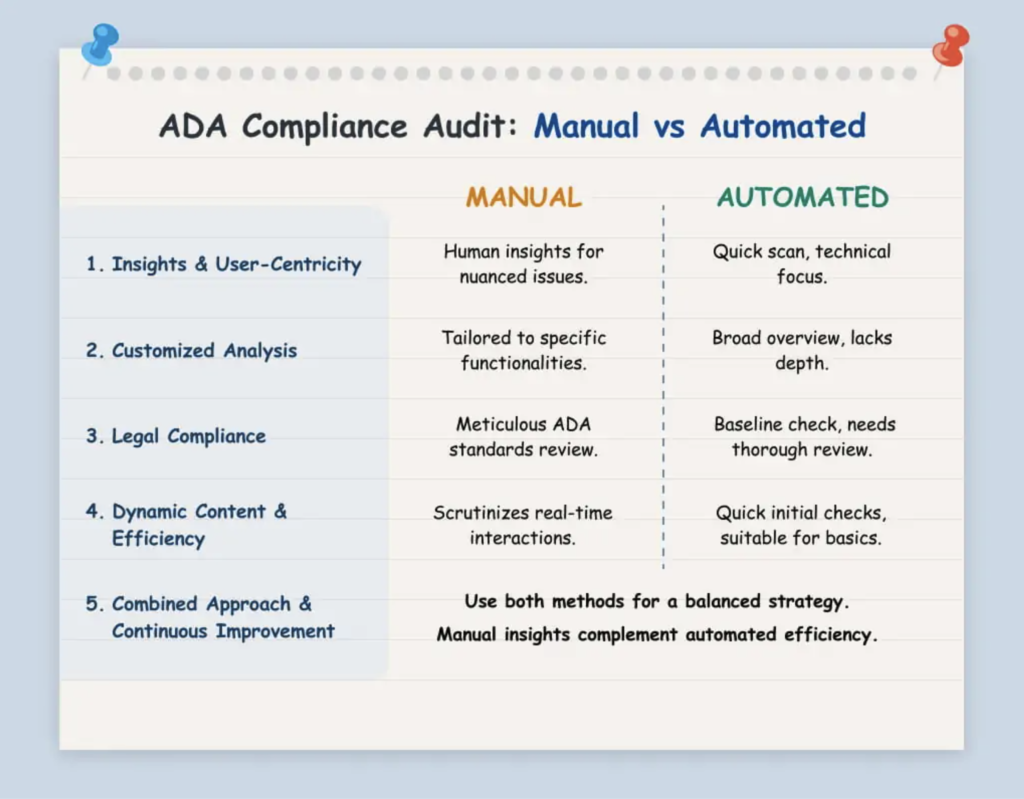
- Identify deficiencies by category and severity
- Prioritize fixes that reduce legal exposure
- Document compliance efforts in a defensible way
- Move beyond minimum standards through certification options
- For businesses that want to stand out, we also offer Silver and Gold certification programs that show customers and attorneys that you take accessibility seriously and go beyond the bare minimum.
Take Control Before Someone Else Does
Most ADA problems are not discovered during lawsuits, they are discovered because of lawsuits. The smartest time to address accessibility is before someone forces the issue.
If you own, manage, or lease a business space and want clarity, protection, and peace of mind, now is the right time to act.
Contact us today to schedule an ADA Risk Management Evaluation and take a proactive step toward protecting your business, your reputation, and your future.